

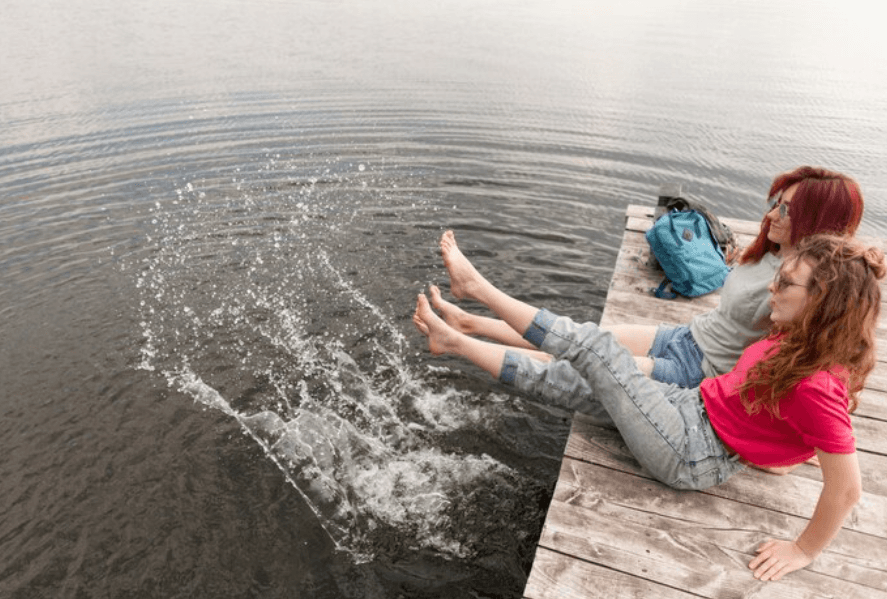
When a child enters a warm therapeutic pool, something happens that no amount of coaxing in a clinic waiting room can ever fully achieve: a visible exhale and a release of tension. Though the research has only recently begun to catch up with what the water already seemed to know, it’s possible that parents and therapists have always sensed this.
For many years, hydrotherapy also known as aquatic therapy has been practiced in a variety of ways. It has mostly been used for physical rehabilitation, helping people recovering from surgery regain movement and helping children with cerebral palsy strengthen their limbs.
| Topic | Details |
|---|---|
| Therapy Name | Hydrotherapy / Aquatic Therapy |
| Also Known As | Water Therapy, Aqua Therapy |
| Primary Use | Physical rehabilitation, sensory integration, emotional and mental wellness in children |
| Typical Pool Temperature | 32–36°C (89–97°F) |
| Key Conditions Addressed | Cerebral Palsy, Autism Spectrum Disorder (ASD), Developmental Delays, Chronic Pain, Muscular Dystrophy, Anxiety |
| Session Structure | Assessment → Warm-up → Tailored Exercises → Monitoring → Cool-down |
| Age Suitability | Infants to adolescents (and beyond) |
| Session Frequency | Multiple times/week (intensive phase) to biweekly (maintenance phase) |
| Governing Body / Reference | American Physical Therapy Association (APTA) |
The discourse surrounding it has changed in some way. Therapists, pediatricians, and researchers are increasingly highlighting its effects on the mind as well as the body. Cortisol levels are declining. reducing anxiety. sleeping better. It is still up for debate whether this represents a revolution or just a long-overdue understanding of the effects of warm water on the nervous system. However, there is genuine and increasing interest.
The first thing you notice when you walk into a hydrotherapy clinic on a weekday morning is the sound: the soft reverberation of the water, the occasional splash, and a child’s laughter that feels carefree in a way that isn’t always present in traditional therapy rooms.
The air has a humidity that feels almost intentional in its softness, and the pools are kept warm, usually between 32 and 36 degrees Celsius. Trained physiotherapists guide children with autism spectrum disorder, developmental delays, and sensory processing issues through exercises, but it rarely looks like work. As it happens, that might be the whole point.
It’s becoming more obvious how water functions in this manner. Because buoyancy lessens the weight the body must bear, children who find it difficult or even frightening to move on land can suddenly reach, stretch, and balance without running the same risk of falling.
Because water offers resistance in all directions, it gradually builds muscle without the startling effects of exercise on land. Additionally, the warmth itself stimulates the parasympathetic nervous system, pushing the body toward a state more akin to rest rather than fight-or-flight. That change can have a significant impact on kids whose nervous systems are constantly overstimulated.
Regular aquatic therapy sessions significantly improved gross motor function in children with cerebral palsy, according to research published in the Journal of Pediatric Rehabilitation Medicine. Hydrotherapy appears to lower anxiety, enhance social engagement, and support sensory regulation in ways that some children find challenging to access elsewhere, according to a different body of research that has examined children with autism.
The results are, at the very least, encouraging. Although the long-term durability of these effects and the extent to which they rely on the individual therapist’s skill are still unknown, the signal is consistent enough for more clinicians to take it seriously.
Families who seek this treatment feel that mainstream medicine has been slow to acknowledge what they have been witnessing for years in pools. “She’s just different in the water”, said a parent who was waiting outside a session and watching through a viewing window as her eight-year-old practiced floating on her back with a calmness that seldom shows up at home. Calmer because it’s different. More in the moment less ensnared in the anxiety loops that sometimes rule her days. It is worthwhile to inquire as to whether that represents a therapeutic outcome in the clinical sense or just a child being a child in a setting that works for her. However, the reality of it might be more important than the distinction.
Aquatic therapy has also undergone significant diversification. Watsu, which is specifically used for relaxation and emotional control, is a form of passive movement and gentle stretching in warm water that is derived from the principles of Shiatsu massage. Balance and water independence are key components of the Halliwick concept, especially for kids with physical impairments.
The Bad Ragaz Ring Method targets neuromuscular rehabilitation by using floating devices to support the child while therapists direct intentional movements. Every strategy has a logic of its own and a population of kids that works best for it. Water, warmth, and the strange liberation that results from momentary weightlessness are what they have in common.
What hydrotherapy does for kids without a formal diagnosis is less talked about, but it probably merits more attention. children who are under stress. children who have trouble falling asleep and staying asleep. The sensory experience of warm water, the rhythmic quality of moving through it, and the social experience of a group therapy session have all been shown to reduce baseline anxiety in ways that carry over into everyday life. The results of studies on aquatic exercise as a conservative treatment for anxiety and depression in adults are encouraging but not conclusive. Children’s parallel questions are just getting started.
It would be simple to exaggerate the current situation. Hydrotherapy sessions require qualified professionals, warm therapeutic pools, and a level of logistical coordination that can be genuinely challenging, so it is neither a cure nor accessible to every family.
It is more effective as part of a larger therapeutic strategy than as a stand-alone treatment for kids with more complicated needs. However, it’s difficult to deny that something genuine is taking place in this field as the body of research grows and therapists become more adept at using water-based therapy with kids. The water has always been aware. At last, science is beginning to pay attention.
i) https://www.nurturers.in/blog/benefits-of-hydro-therapy/
ii) https://millerhealth.ca/benefits-of-hydrotherapy-orillia/
iii) https://www.nationwidechildrens.org/family-resources-education/700childrens/2017/10/aquatic-therapy-using-water-for-wellness-and-independence
iv) https://stnicks.org.au/news/the-benefits-of-water-play-for-childrens-development/