
The New Generation of Water Safe Kids Is Changing Poolside Norms
When adults sat in plastic chairs and believed that proximity was enough to provide protection, the public pool used to feel like an unofficial trust experiment. This belief now feels a lot like letting traffic figure itself out without stop signs.
As parents sit near the waterline, eyes on movement, posture alert but calm, like air traffic controllers tracking small but precious planes, the atmosphere has changed in recent years in a way that feels noticeably better rather than anxious.
| Topic | Key Information |
|---|---|
| Core safety concern | Drowning remains one of the leading accidental causes of death among young children |
| Generational contrast | Many Gen X parents grew up with minimal water supervision |
| Modern guidance | Lifeguards support safety but do not replace active adult monitoring |
| Parenting response | Parents now prioritize constant attention, early swim education, and shared responsibility |
| Cultural debate | Ongoing discussion around independence versus intentional supervision |
It came through stories told between parents, statistics discreetly discussed, and epiphanies when someone realized that surviving childhood did not always mean it had been safe.
A clearer understanding that luck frequently carried more weight than supervision coexists with the nostalgic memories of being dropped at a pool for hours that many adults still experience.
In one way, water is incredibly dependable. Regardless of intent, affection, or optimism, it does exactly what physics requires.
The way that modern parents describe drowning as quick, silent, and easily overlooked has been remarkably successful in changing the way that responsibility is perceived. They do this by using extremely straightforward and purposefully non-sensational language.
Toddlers at swim schools practice floating and rolling before learning playful strokes under the patient guidance of instructors who patiently explain survival skills, which feels especially creative and incredibly useful.
Parents pay close attention sometimes tense, sometimes reassured realizing that early exposure is about familiarity rather than fear, a strategy that has greatly decreased panic reactions in the future.
Due to their constant access to information, this generation of parents has become extremely adept at distinguishing between actual and perceived danger, allowing minor injuries like bruised elbows and scraped knees while setting clear limits around water.
Rather than rhetoric, behavior is where the difference is most noticeable. Cell phones remain in their bags. In the middle of a sentence, conversations pause. There’s always someone counting.
While a smaller group of parents reacts with surprise based on preconceived notions, lifeguards at community pools are increasingly reminding families that their role enhances safety rather than taking the place of parental attention. Most parents readily accept this message.
Although these situations can be tense, they also show a larger reorientation occurring, where accountability is no longer delegated merely because a uniform is worn.
As if the dispute had already been resolved elsewhere, I found myself silently appreciating how effortlessly parents now embrace this shared responsibility.
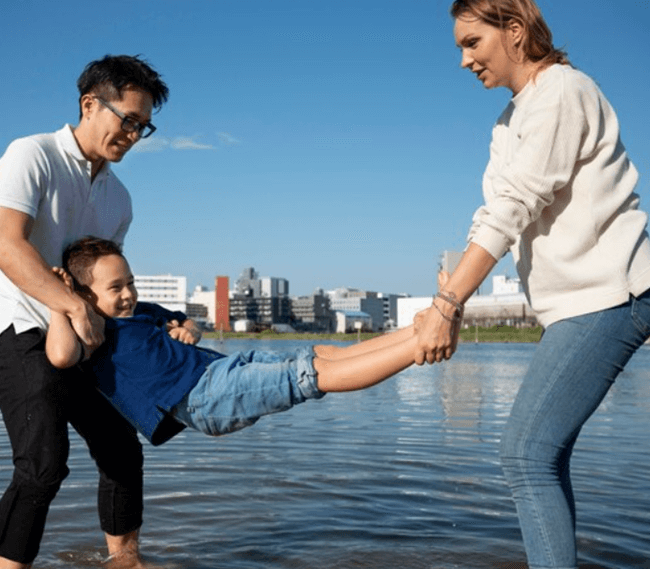
In this change, fathers have become particularly noticeable, swimming with young children, practicing skills together, and modeling caution without anxiety. This dynamic feels especially helpful for children who are learning confidence through example.
These parents demonstrate that safety is a skill set that is acquired via repetition and trust, rather than a limitation, by actively participating rather than providing remote supervision.
Previously viewed as optional or luxurious, early swim lessons are now regarded as essential, much like seatbelts or bike helmets. This analogy strikes a chord because it presents protection as readiness rather than fear.
Kids react appropriately. They bide their time. Before they jump, they inquire. They don’t mind wearing life jackets.
Critics occasionally associate this strategy with more general worries about overprotection, but that analogy ignores an important difference: water is a measurable hazard with a lengthy, recorded history, not a metaphor.
Parents seem to have an innate understanding of this, allowing independence in many areas while maintaining a strict boundary around lakes, beaches, and pools a balance that feels surprisingly low in effort but priceless in the end.
Consistency is important. Spoken rules develop into habits, and habits develop into instincts. Children learn that awareness increases freedom rather than restricts it through repetition, internalizing respect for water without absorbing fear.
This strategy has proven to be very adaptable over time, working just as well in situations where risk was previously elevated, such as backyard pools, summer camps, and family vacations.
Additionally, the emotional tone surrounding water has shifted.
Guidance is given calmly rather than with a panicked shout of warnings, which builds trust instead of inciting disobedience.
Parents themselves have experienced an unexpected benefit from this calm vigilance; many say that their intentional rather than reactive attention has made them feel less anxious.
They avoid the delayed dread that follows distraction by remaining involved, which is a psychological advantage that is rarely mentioned but is profoundly felt.
This change is encouraged by the larger parenting culture, which places a strong emphasis on open communication, shared accountability, and transparency—values that transcend water safety and permeate everyday life.
This reframing, which is subtle but effective, turns watching a child swim into an act of presence rather than surveillance.
Crucially, perfection is not guaranteed by this. Parents understand that accidents are still a possibility. Visibility has changed. There are fewer unreported incidents and fewer crises that worsen before assistance can be provided.
Because their parents prioritized attention over nostalgia, this generation of water-safe children is growing up with a grounded, knowledgeable, and respectful relationship to water.
Daily reinforcement of this understanding may be one of the most subtly effective safety precautions this generation has taken, demonstrating that sometimes progress is as simple as an adult refusing to turn away.