

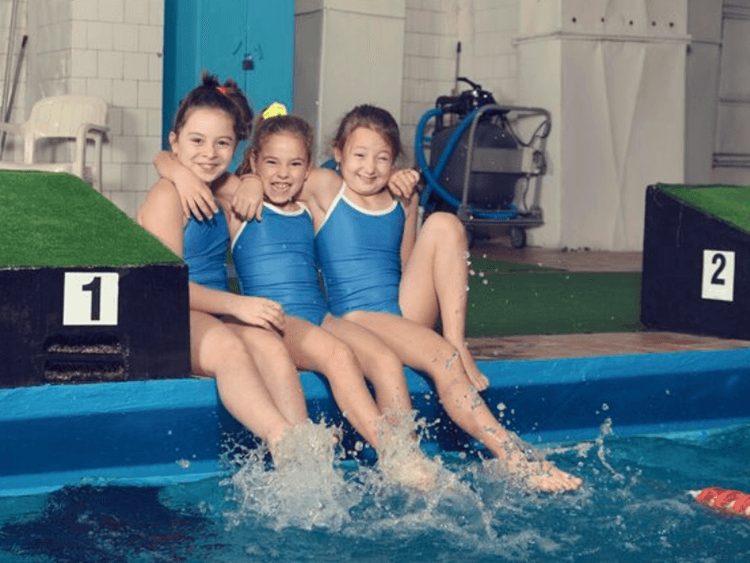
Public pools now have a distinctly different rhythm on weekday afternoons, especially in recent months. Teenagers arrive in loose clusters, laugh loudly at first, then become focused as they slide into the water, moving with a confidence that feels learned rather than forced.
Many of those same teenagers would have gravitated toward gyms ten years ago, clumsily hovering close to weight racks while taking in the unwritten rules of mirrors and muscle hierarchy. The atmosphere there frequently felt more like a silent audition than a learning environment.
Water reduces everyone to movement and breath, eliminating the comparisons that rule dry floors and reducing effort to the only visible currency. This makes swimming a contrasting entry point, one that is significantly enhanced by its lack of spectacle.
| Category | Key Information |
|---|---|
| Primary age range | Teens aged 13 to 17 |
| Main drivers | Confidence, enjoyment, mental balance, physical safety |
| Physical outcomes | Full body strength, endurance, posture improvement |
| Barriers to gyms | Cost, intimidation, image pressure, repetition |
| Common access points | School teams, public pools, community centers |
Teenagers can push themselves hard without the lingering aches that often deter consistency because water resistance builds strength evenly while joints stay supported, which is especially advantageous for developing bodies.
When compared to earlier attempts at structured fitness routines, parents typically notice the changes first, noting that appetites are returning, sleep is deepening, and moods are stabilizing in ways that feel remarkably effective.
Teachers are also aware of it; they frequently remark on calmer classrooms and students who seem more at ease, their energy redirected rather than repressed, a minor but noticeable decrease in conflict during the school day.
The decision is also surprisingly cost effective because public pools and school programs remove premium fees and lengthy contracts, allowing regular activity without putting undue strain on families.
In contrast, adolescence, when bodies are changing more quickly than self-image can keep up, can feel out of step with the demands of the gym, which include early confidence, familiarity with equipment, and comfort under observation.
By promoting function over form and teaching teens to value efficiency, breath control, and rhythm concepts that feel incredibly clear once experienced, even though they are rarely expressed out loud swimming helps teens avoid that trap.
Because lanes are shared, rests are communal, and improvement occurs alongside rather than separately, the social structure surrounding pools serves to further emphasize this distinction by fostering cooperative rather than competitive ties.
We became aware of how infrequently we had witnessed that level of subdued cooperation within a gym while observing a group of fifteen-year-olds pace one another across a busy lane one afternoon.
Swimming has become very adaptable in this regard, offering both intensity and calm depending on the day, the mood, or the need, and mental health considerations are now more prominent in teen decision-making.
Swimming is very effective at diverting the mind from the constant alerts and internal pressures that characterize adolescence because it naturally reduces distractions by concentrating attention on breathing and timing.
Teenagers describe swimming as simply feeling better afterward because it doesn’t reward an obsession with metrics like many gym routines do. Instead, progress feels natural rather than tracked.
Since swimming is a very dependable form of sustained exercise during growth spurts, when bones lengthen quickly and coordination can lag behind intention, injury prevention is still another important consideration.
Without the dramatic emphasis on bulk, strength still grows, leading to bodies that are leaner, more balanced, and noticeably better in posture and endurance.
Additionally, there is a practical awareness at work because swimming imparts a life skill that feels immediately practical, boosting confidence in situations involving water that go beyond fitness.
For many teenagers, the pool has evolved into a place where hard work feels genuine, advancement feels merited, and pressure feels optional a combination that is especially novel in a society where performance is the norm.
Swimming can now serve as a foundation rather than a diversion as a result of this change, which does not completely reject gyms but rather reframes them as tools for later, once body awareness and confidence have developed.
That foundation has proven incredibly resilient over the past few years, capturing teens’ interest for longer than anticipated and subtly altering the development of strength, health, and confidence.