

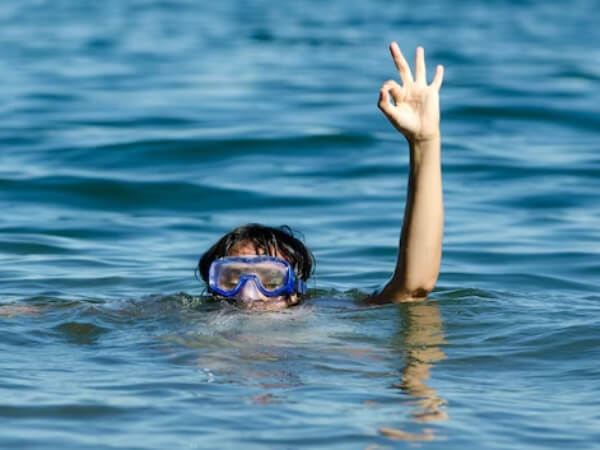
When a wave catches you off guard and your mouth opens just in time to taste something you’d prefer not to think about, there’s a certain dread that goes along with it. Gritty, murky, a little strange. You’ve ingested tainted seawater. The question is never really “whether” you feel worried; rather, it’s what you actually do next. It happens to more swimsuits than most people realize.
First, it’s important to realize that the ocean isn’t a swimming pool. No filtration, no monitoring in between tide cycles no chlorine. Rivers carry raw sewage, animal waste agricultural runoff into coastal waters, especially after heavy rainfall. On Monday morning, what appeared to be a perfectly blue bay might change by Tuesday afternoon.
Over 400 designated bathing waters are monitored by the UK’s Environment Agency between May and September. They are rated from Excellent to Poor even the better-rated ones may temporarily deteriorate following storms. A lot of well-known swimming locations have no official designation at all, so no one is formally inspecting the water quality before you wade in.
You’ve ingested some, then. It makes sense to feel panicked right away, but it doesn’t help. The first thing to do is to take a thorough shower as soon as you’re out of the water, using soap and paying attention to any areas of your body that have been wet for a long time, such as your armpits and skin folds. Next, use fresh, clean water to rinse your nose and eyes.
One of the more frequent consequences of an unplanned open-water encounter is bacteria trapped in a warm, moist ear canal. If your ears feel full or uncomfortable, tilt your head to drain them and think about using a 50/50 mixture of white vinegar and rubbing alcohol as ear drops. Treat any cuts, scrapes, minor abrasions, or blisters right away. Open wounds and contaminated water are a bad combination.
Regarding what you swallowed, over the next few hours, gradually consume clean water. Hydration helps dilute anything consumed and keeps you in a better position if symptoms appear, even though it may seem too simple. Avoid attempting to induce vomiting as this will not eliminate the risk and will cause additional complications.
The majority of those who will become ill will begin to exhibit symptoms within the 72-hour window following exposure. The most prevalent gastrointestinal symptoms are nausea, cramps, loose stools vomiting, which are brought on by bacteria like enterococcus and E. coli or viruses like norovirus that thrive in seawater contaminated by sewage.
The majority of cases are uncomfortable rather than dangerous and go away with rest and fluids in a day or two. If there is blood, the symptoms are severe, or they last longer than 48 hours, there is cause for concern. See a doctor at that point be specific: bring up the swimming and, if you know, the water quality. A clinician’s approach to the situation is altered by that context.
It’s important to understand that coastal waters do contain more dangerous bacteria. Warm, brackish water exactly where river runoff meets the sea is ideal for the growth of Vibrio vulnificus, which can cause wound infections that go from mild redness to blistering in less than 48 hours.
This is not something that should be handled optimistically and with antiseptic at home. After being exposed to the ocean, a wound that is blistering, spreading, or accompanied by fever and chills should be treated right away rather than waiting and being watched.
Observing the rise in open-water swimming over the past few years, it seems as though enthusiasm has occasionally surpassed knowledge. The cold shock, the lack of lanes the sensation of untreated water make wild swimming truly delightful.
The dangers are significant enough to warrant careful consideration. It’s not excessively cautious to check the daily pollution forecasts before swimming, cover any cuts with waterproof plaster, or stay outside during and right after heavy rain. These are the sensible choices that enable you to continue swimming without feeling guilty.
If you do become sick, wait at least 48 hours before going back to the water. Because some infections are contagious, the next swimmer should have the same chances as you.