

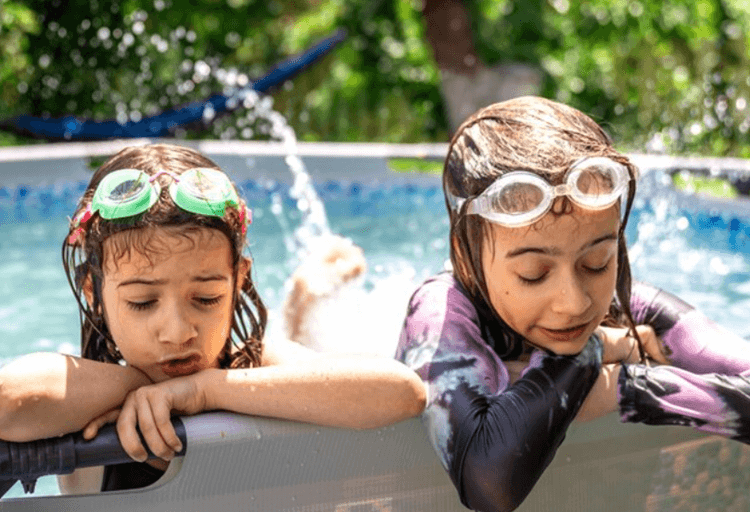
At many pools, usually right after the changing area, there’s a common moment when a child’s emotions suddenly explode, leaving parents in disbelief at how quickly their child’s calm anticipation turns into tears, rigid limbs, or outright refusal.
After the water closes around them and movement takes the place of explanation, the same child who arrived overwhelmed starts to settle. This is especially true over repeated visits, when the children have little else in common.
| Context Area | Key Factual Notes |
|---|---|
| Typical age range | Toddlers and early primary-aged children show the clearest effects |
| Physical response | Swimming lowers cortisol while releasing mood-supporting endorphins |
| Sensory experience | Water pressure, buoyancy, and rhythm provide calming input |
| Emotional outcome | Emotional outbursts become shorter and less intense over time |
| Social structure | Lessons reinforce patience, turn-taking, and emotional restraint |
Swimming alters the way a child’s body expresses emotion, and it does so through sensation rather than instruction. It uses buoyancy, rhythm, and pressure to soothe systems that words often can’t.
Water’s ability to completely submerge the body redistributes weight and resistance, which is especially helpful for kids whose nervous systems are hot. It also creates a supportive yet gently corrective sense of containment.
Kicking and paddling are repetitive activities that act as a steady metronome, guiding the body into predictable motion while the mind gradually follows, frequently without the child noticing any changes.
The frantic edge that characterized the outburst fades, breathing slows, shoulders drop, and a highly effective focus that is physical rather than verbal takes its place.
Researchers have noted a decrease in cortisol and an increase in endorphins in recent years, but the change is apparent at the poolside long before the chemistry is identified.
Youngsters who have trouble controlling their emotions on land frequently react remarkably well to water, as though the pool provides them with a strong enough framework to contain emotions they are still unable to organize on their own.
Swimming is also a significantly better way to focus attention because it requires enough concentration to block out internal chatter while still being forgiving of errors, allowing effort to be made without worrying about failing.
The pool provides an alternative language for kids who are frustrated by communication barriers, where advancement is felt through movement and balance rather than words or approval.
When I saw a child stop screaming in the middle of a lesson and start making little circles in the water, I thought about how infrequently regulation makes its appearance.
As students wait their turn at the edge and observe their peers succeed or struggle first, the social environment of lessons adds another layer that is especially creative in how it teaches patience without lectures.
Emotional restraint is normalized through this shared structure; it is not framed as obedience but rather as a necessary component of the group’s collective progress.
Because learning to float or kick provides instantaneous, tangible, and incredibly comforting feedback, confidence increases in emotionally manageable steps.
Once gained, that confidence spreads far beyond the pool and frequently manifests later as a child attempts challenges that previously caused avoidance or bounces back from frustration more quickly.
Emotional outbursts are not completely eliminated by swimming, but when lessons become regular rather than sporadic, they become much less frequent, shorter, and less explosive.
Weekly repetition of the same setting helps children experience highly dependable predictability, which reduces anticipatory anxiety and the chance of emotional overload before it occurs.
Here, parental presence is important not by correcting, but by being calm, since kids can read adult nervous systems and react to stability with confidence.
When parents stay calm in the water, a very clear message is conveyed: even when emotions are running high, this area is safe.
Bonds are strengthened through shared pool experiences in a variety of ways, combining play, education, and physical intimacy into quiet moments that bolster emotional stability.
Children gradually come to associate swimming with relief, realizing often without realizing it—that they can achieve calm by breathing and moving.
This association turns out to be incredibly resilient, continuing throughout developmental phases as a dependable method of letting go when emotions become too strong to manage.
Giving the body a means of processing emotions rather than labeling them is how swimming teaches emotional regulation, and this embodied lesson frequently lasts longer than any explanation could.