
Parents Are Turning to the Water Based Technique Helping Kids Break Fear Cycles
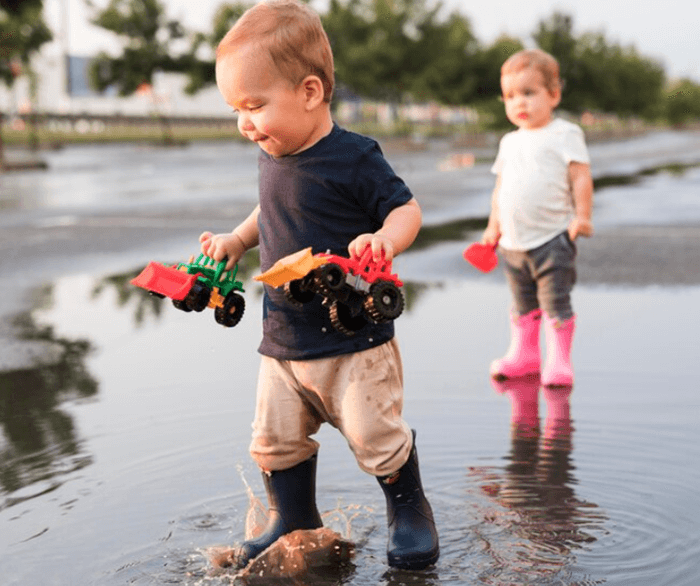
Children’s fear seldom manifests itself dramatically, but in the vicinity of pools, it manifests itself in remarkably similar ways: stiff shoulders, eyes fixed on the tiles, and a grip that tightens whenever water moves unexpectedly, indicating a nervous system responding more quickly than words can.
For many years, many swim programs believed that fear could be overcome by repetition and that once a child endured the initial uncomfortable moments, confidence would follow. However, experience has significantly improved this belief, particularly as instructors started to pay closer attention to how fear actually forms.
| Key factual context | Details |
|---|---|
| Core technique | Gradual, play-led exposure to water that prioritizes comfort before skills |
| Primary purpose | Breaking repeating fear responses by restoring a child’s sense of choice |
| Typical environment | Warm, shallow pools with predictable routines and low noise |
| Who applies it | Trained swim instructors working closely with parents |
| Guiding principle | Familiarity first, technique later, with progress defined by comfort |
Similar to letting a child observe a bee before asking them to trust the hive, the water based method for assisting children in breaking fear cycles starts by slowing down the pace nearly to a halt, substituting patience for urgency, and treating water as an environment to gradually comprehend rather than a barrier to overcome.
Instructors may choose to sit at the edge of the pool and flick water with cups during early sessions instead of going into the water itself. This seemingly straightforward method works incredibly well to lower defenses without making students feel the need to flee.
When time passes without any discernible progress, parents frequently feel uneasy. However, this apparent calm is especially helpful because it lets kids experience water without any expectations, which greatly lessens the reflex to resist.
By giving the child small, manageable choices, like choosing whether to splash with hands or feet first, this approach directly addresses the lack of control that fear thrives on. Instead of treating the child as a passive participant, it gives them ownership over the experience.
The fear that once controlled every encounter with water gradually fades as the body starts to process new information, replacing past memories of surprise or discomfort with familiar and secure sensations.
Teachers keep a close eye out for small changes, particularly when a child makes contact on their own. This one choice, which is frequently disregarded, represents a significant break in the fear cycle.
When a child leaned forward without being asked to touch the surface and then grinned as if taken aback by their own bravery, I recall how quickly the atmosphere changed.
Warm water, familiar faces, and regular routines help children settle, but sudden noise or crowded lanes can reverse progress by triggering earlier stress reactions. The environment is a very dependable factor in this process.
Instructors strengthen trust and demonstrate that withdrawal is acceptable when setbacks occur, which paradoxically increases the likelihood of re-engagement.
Parents also go through a learning curve, realizing that while calm presence even silence communicates safety more clearly than constant instruction, reassurance given with tension can exacerbate fear.
This method gently retrains the brain to associate water with curiosity rather than danger by redefining play as a serious tool rather than a diversion through the use of toys, music, and easy games.
Over the course of a few weeks, improvement manifests subtly as shoulders loosen, breathing evens out, and hesitation decreases all indications that confidence is establishing itself beneath the surface.
Conventional metrics, such as laps or strokes, come later and emerge organically, bolstered by a foundation that is incredibly resilient due to its non-coercive construction.
This approach’s practicality it doesn’t rely on costly equipment or strict protocols and its high effectiveness in addressing the root of fear rather than just its symptoms are what give it hope.
The impact of this approach is becoming more and more evident as more teachers use it; it provides a forward-thinking model that honors the way kids develop safety and trust, one tiny, self-directed step at a time.