

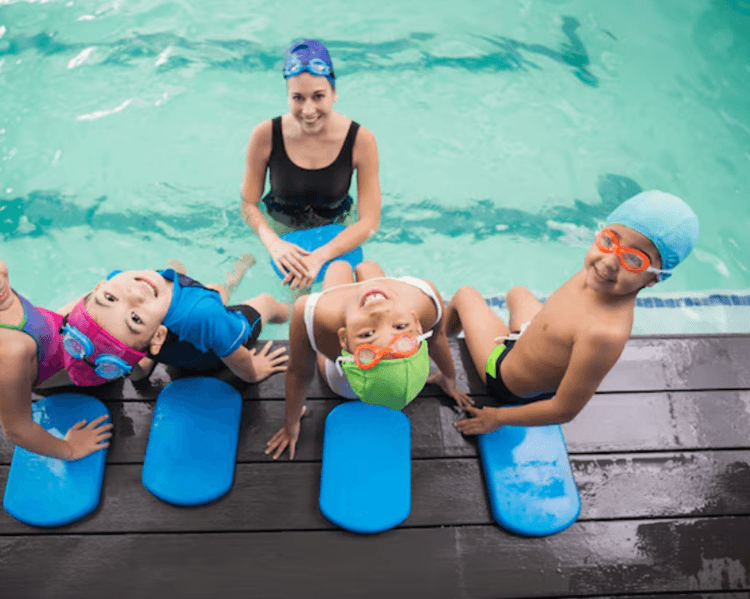
Across the nation, something has changed in apartment lobbies and suburban driveways; you can practically hear it before you see it. When a nineteen-year-old sitter arrives on a Tuesday afternoon with a tote bag slung over her shoulder, she doesn’t ask the parents about screen time limits or snack preferences right away. The question is whether the young child has ever visited a swimming pool. Not a trip to the beach, a real class with a teacher and Goggles too.
People are unaware of how frequently this occurs. In urban areas such as Chicago, Austin, and some suburban Parents in New Jersey are observing the same trend: Gen Z caregivers are subtly encouraging families to attend weekly swim sessions, and many of them are signing up. These young women and men, who were raised on parenting podcasts and YouTube tutorials for which they were never the intended audience, seem to be entering homes with a soft expertise that their parents never possessed.
It’s difficult to ignore their level of assurance. During a casual handoff, a twenty-two-year-old Brooklyn sitter who was enrolled in a community college to study early childhood education informed a mother that her 18 month old “should be in the water by now.” The mother initially chuckled. The next week, she enrolled. A young person who simply states what she thinks is obvious and isn’t attempting to impress you has a disarming quality.
| Topic | Details |
|---|---|
| Subject | Gen Z babysitters (born 1997–2012) and their growing influence on family swim routines |
| Estimated U.S. babysitting workforce | Roughly 1.2 million, with Gen Z making up the largest share |
| Average age of swim-recommending sitters | 19–24 years old |
| Common platforms used to share advice | TikTok, Instagram Reels, Care.com forums |
| Recommended infant swim start age | Around 6 months, per most pediatric guidance |
| Average cost of weekly baby swim class (U.S.) | $20–$45 per session |
The way that Generation Z consumes information contributes to this. Growing up, they watched infant aquatics videos on TikTok, scrolling through footage of infants floating on their backs and seeing the viral self-rescue demonstrations that both fascinate and terrify adults. Swimming lessons are neither a luxury nor a fad to them. They are nearer to a baseline. Nearly all applicants under the age of twenty-five now bring up water safety during interviews, according to a friend of mine who owns a small sitting agency in Phoenix. No one did five years ago.
Seldom are the sitters’ explanations dramatic. It’s useful. Babies require movement; they cannot spend their days strapped into a car seat or lying in a crib. They can stretch in ways that are not possible on land due to gravity. Within a few weeks, their muscles work against mild resistance, their joints loosen, and their parents begin to notice better sleep. After just three sessions, a father in Denver reported that his daughter started taking afternoon naps for the first time. Who knows if the pool is deserving of the praise? He’s not going to stop, though.
Additionally, Gen Z sitters make the safety argument more publicly than previous generations did. The statistics have not changed over time, and drowning is still one of the top causes of death for children in the US between the ages of one and four. It appears that younger caregivers take this statistic personally. Water safety naturally fits into their worldview, as they have been constantly warned about everything from helmet use to allergens throughout their childhood. It’s not paranoia. It’s the identification of patterns.
The way parents react is fascinating. Particularly among older millennials, deferring is common. They grew up in homes where swim lessons, if any, took place in the summer, usually at a community pool where a teenage lifeguard barked instructions. For many of them, the concept of year-round, structured aquatic classes for infants seems a little excessive. Until the caregiver says so. Then all of a sudden it makes sense. Perhaps even past due. Hearing it from someone who isn’t a salesperson and has nothing to gain financially somehow reduces the resistance.
Swim schools have taken notice. In areas where Gen Z employment is prevalent, enrollment in baby and toddler programs has been increasing, and according to a number of owners I spoke with, referrals from caregivers are now on par with those from pediatricians. Nearly thirty percent of new sign-ups in the last year, according to one franchise operator in Southern California, came from a sitter or nanny who first mentioned it. Nobody intended to use that as a marketing channel.
Skeptics may claim that this is just another wellness trend disguised as childcare apparel, and they have a valid point. There has never been a clear distinction between parental overreach and meaningful early development. The way these young caregivers discuss it seems sincere. Nothing is being sold by them. They’re imparting what they’ve learned, fusing instinct with the constant flow of knowledge they’ve been exposed to since middle school. It’s a different matter entirely whether that makes them correct.
The pools are currently becoming more crowded. A twenty-year-old babysitter is texting a mother about a Saturday morning class she discovered three blocks from their home while the lobby smells like chlorine and wet swim diapers. It’s a slight change, but it’s genuine. Additionally, it is spreading more quickly than most people realize.
i) https://www.swimmingdad.com/single-post/are-baby-swim-lessons-just-a-new-age-parenting-trend
ii) https://www.australianswimschool.com/why-year-round-swim-lessons-are-essential-for-young-children
iii) https://www.simplyswim.com/blogs/blog/why-swimming-is-the-perfect-family-activity
iv) https://www.bearpaddle.com/swimming-blog/benefits-of-parent-child-swimming-lessons/
v) https://www.wiltshire.gov.uk/article/14822/New-research-highlights-the-powerful-benefits-of-swimming-for-children-s-wellbeing