

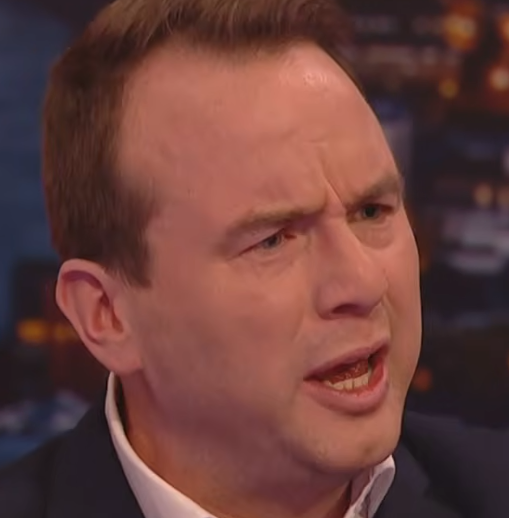
Matt Forde thot he had sciatica when he first noticed the nerve pain shooting down his left leg. The majority of people would. He had the low-grade physical complaints that come with a life spent in greenrooms and on trains he was in his early forties and busy performing on the road.
It didn’t seem like the start of something significant. It didn’t seem like anything that a physiotherapist’s afternoon couldn’t resolve. The results of an MRI scan were different. Forde had a tumor at the base of his spine in the hours that followed, before anyone could determine the type of cancer or the extent to which it had spread, he felt something he hadn’t anticipated: an odd, unsettling calm.
He recounts seeing the period of time he believed to be gone flicker away like an old airport departure board for ten years, then a few, then perhaps weeks coming to a kind of acceptance that even he found surprising.
He was not in a panic. According to his own account, he was primarily depressed about his wife. Only a few months had passed since their marriage. Chordoma, a type of bone cancer that affects about one in 800,000 people, was the diagnosis. It’s not the type of cancer that has celebrity fundraisers or charity runs named after it.
There is very little funding for research, in part because most people are unaware of it and in part because the numbers are so small that they don’t influence large pharmaceutical investment. Forde, who has dedicated his professional life to making the uncommon seem instantly relatable, discovered that he had a condition that virtually no one in his immediate vicinity had ever experienced.
The entire base of his spine had to be removed during surgery. Forde has discussed the serious and long-lasting changes to bowel, bladder sexual function with a candor that is both disarming and, subtly, obviously intentional. He makes jokes about self-catheterization with the timing of someone who has spent a lot of time figuring out how to say something awkward without making the room feel chilly.
It’s an ability. Over the past year and a half, he has had to use it a lot. The lack of self-pity in Forde’s speech about his illness is striking. Comedians have a long history of finding humor in the most trying situations, so that’s not unusual, but this instance is unique. He’s not being resilient.
During his ten weeks in the hospital, he experienced excruciating nerve pain that he claims was more than his body could handle, but even on the most trying days, he found himself laughing with guests. Not because everything was alright. Because it seemed that he was still capable of laughing, even if it was flawed and worn out.
Additionally, he has been transparent about the darker areas. There were depressing moments. There was anxiety about the future of his life.
Nobody recovers quickly from having their thigh and buttock muscles rearranged to fill the structural gap left by the removed bone; Forde is still using walking sticks. Although he has come to terms with the fact that he has no control over the timeline, he has stated that he anticipates that this will eventually change.
It’s difficult to ignore the fact that, in everything Forde has said about his illness, something sharper rather than thankfulness in the sense of a greeting card comes thru. a better understanding of his actions and motivations. He is a political fanatic, a podcast host whose program “Political Party” has received over ten million downloads a comedian who made a living by genuinely caring about topics that most people find boring.
After the diagnosis, none of that changed. It appears to have settled, if anything. Chordoma is still understudied and underfunded. Forde’s candid discussion of it, which combines dark humor, discomfort honesty, probably raises awareness more than most official campaigns. Refusing to keep quiet about what happened to them is sometimes the most helpful thing a person can do.