
Why Neurodiverse Children Often Thrive Through Water Based Activities and Swimming
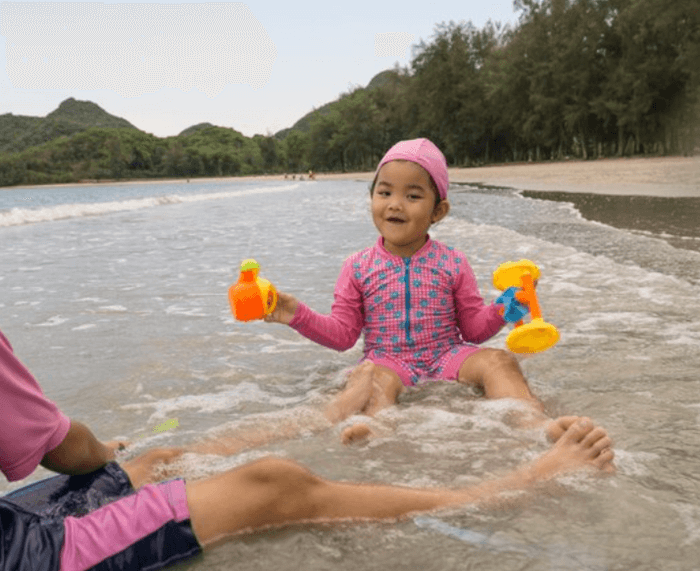
Teachers and therapists have been paying more attention to what happens when neurodiverse kids get in the water in recent years. The outcomes have been remarkably similar in a variety of settings, including community swim lessons and therapy pools, where tension frequently gives way to focus and resistance softens into cooperation.
The shift is not made with much fanfare at the poolside, but it is evident in the pacing and posture as shoulders gradually drop, breathing slows, and movements that felt hurried on land become noticeably better once the body is evenly supported by water.
Water provides a particularly helpful environment for kids with poor muscle tone or poor coordination because it lessens the constant pull of gravity, enabling them to move freely without experiencing the repeated failure that can subtly undermine confidence during land-based activities.
| Key Context | Details |
|---|---|
| Population | Neurodiverse children, including autistic children and those with ADHD or sensory processing differences |
| Activity Type | Swimming, aquatic therapy, hydrotherapy, structured and unstructured water play |
| Core Mechanisms | Buoyancy, hydrostatic pressure, resistance, repetitive motion, sensory regulation |
| Documented Benefits | Improved motor skills, emotional regulation, focus, confidence, and social engagement |
| Safety Consideration | Elevated drowning risk underscores the need for supervised, skill-based water exposure |
Because water applies pressure continuously rather than in bits and pieces, the sensory experience also changes in a way that is remarkably effective, enveloping the body in feedback that is steady and predictable rather than sharp or competitive.
This feeling functions similarly to noise canceling headphones at a crowded event for many neurodiverse kids, reducing distractions while enhancing important things like breathing, rhythm, and the straightforward cause and effect of movement.
Repetition is the foundation of swimming strokes and water play, and it is not presented as a drill but rather as the point itself. For kids who are more at ease with predictable patterns and well-defined actions, this repetition can be immensely adaptable.
Through guided sessions, therapists frequently observe that children’s attention spans increase organically not because they are being forced to comply, but rather because the environment is so effective at maintaining their focus without the need for constant redirection or verbal correction.
Halfway through a quiet afternoon session, I noticed how a child who avoided making eye contact with peers on land drifted closer to them in the pool, as if the water itself made intimacy feel less demanding.
Games involving floating objects, shared lanes, or coordinated movement allow children to participate without the pressure of prolonged conversation or quick social cues, and social interaction in the water typically takes place sideways rather than head-on.
In group settings, where hierarchy diminishes and strengths are rearranged, this dynamic can be especially creative. For example, a child who struggles in classroom sports may suddenly show off how to kick or glide.
As time goes on, parents frequently note that the benefits go beyond the pool, with evenings after swim sessions characterized by noticeably lower anxiety, easier transitions, and sleep patterns that feel less like compromises and more like organic ends to the day.
The physical advantages are equally apparent because buoyancy protects joints and water resistance gradually increases strength, making these conditions incredibly dependable for kids who get tired easily or don’t like traditional exercise regimens.
Water-based exercise improves balance and coordination by using muscles without putting undue strain on them. It feels more like play than therapy, which keeps people motivated for weeks or months.
Additionally, because success in water frequently occurs more quickly and clearly than in other contexts, there is an emotional shift that caregivers often describe with cautious optimism, reinforcing a sense of competence that carries real weight.
However, not all children find water to be calming at first, and the sensory input can be overwhelming for some, necessitating gradual introductions that start with hands or feet rather than complete immersion.
In those early phases, the child’s progress is gauged by the tolerance they develop rather than the distance they swim, and every tiny step they take reflects the growth of trust between them and their surroundings.
Because attraction to water can coexist with a lack of awareness of risk, safety is still an unavoidable consideration. Therefore, structured skill-building and regular supervision are necessary rather than optional.
Water-based activities, which range from formal aquatic therapy to supervised play in a bathtub or local pool, are surprisingly flexible and affordable for families navigating lengthy therapy waitlists or restricted access to specialized programs.
Water provides a supportive framework instead of a corrective one by meeting kids where they are. It gently organizes sensory input while letting unique strengths emerge without constant explanation.
Instead of a sudden change, a consistent pattern of involvement develops over time, with kids showing up voluntarily, staying longer, and leaving feeling more at ease than when they started.
Water-based activities are likely to continue to be a mainstay in the upcoming years as inclusive approaches continue to influence education and therapy. This is not because they offer quick fixes, but rather because they create environments that allow many neurodiverse children to thrive consistently and authentically.