
Why Do Kids Need Strong Swimming Skills to Stay Safe, Sharp, and Confident?
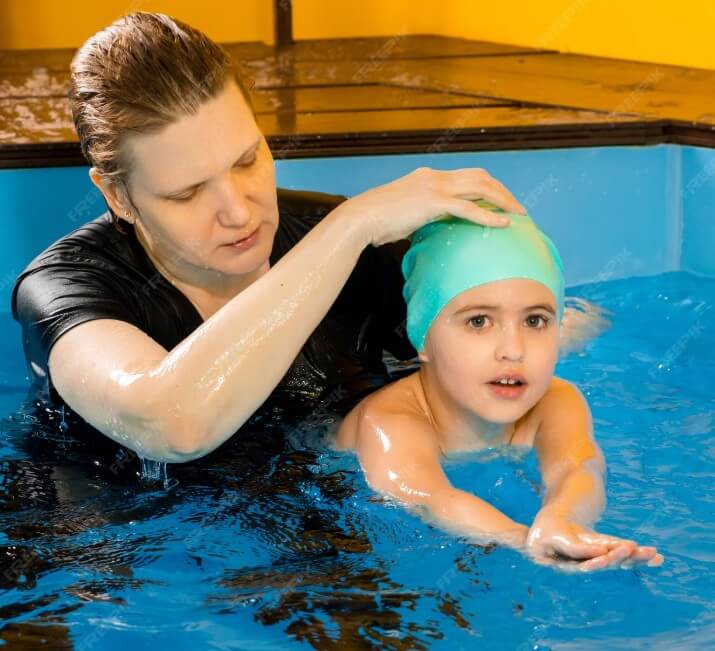
Due to the fact that water exposure is now a part of everyday life through backyard pools, beach trips, school outings, and recreational activities, parents are increasingly asking why their children need to be proficient swimmers, not just at the pool but also at dinner tables, pediatric clinics, and school meetings. Swimming is now considered a basic expectation for many families, along with reading and cycling. However, the gap between expectation and ability is remarkably similar across communities, with far too many children still lacking basic water competence.
Drowning has continued to be one of the most common unintentional deaths among children in recent years. This fact is especially disturbing because it can be largely avoided with repeated exposure and structured instruction. Strong swimming abilities are about survival skills like floating calmly, treading water efficiently, and rolling onto the back to breathe—skills that are incredibly effective when panic would otherwise take over. They are not about beautiful strokes or competitive speed.
| Information Area | Details |
|---|---|
| Primary Topic | Importance of strong swimming skills for children |
| Focus Area | Water safety, physical health, mental development |
| Age Group | Infants, toddlers, school-aged children, adolescents |
| Key Benefits | Drowning prevention, strength, coordination, confidence |
| Social Impact | Public safety, health equity, education |
| Related Fields | Pediatrics, sports science, education |
| Lifelong Value | Survival skills, fitness, recreation |
| Reference Source | World Health Organization – Drowning Prevention |
Swimming lessons help kids overcome fear by teaching them how to stay afloat and oriented. This is especially helpful in unexpected situations like falling into a pool or getting knocked over by waves. Children who are aware of what their bodies are capable of doing in water react with noticeably better judgment, choosing safer options instead of thrashing or freezing, which greatly lowers risk in emergency situations.
Additionally, swimming is a very adaptable type of exercise that works almost every muscle group while being kind to growing bones and joints. This balance is important for developing bodies. Water supports weight while offering resistance, making it a demanding yet forgiving workout that is perfect for kids who are still learning how to move confidently, in contrast to high-impact sports that can strain knees or spines.
Swimming has been emphasized by pediatric health professionals over the past ten years as a very effective method of developing lung capacity, muscular strength, and cardiovascular endurance in a single continuous motion. Although a child swimming laps may appear to be having fun, their heart and lungs are actually working steadily, their posture is correcting, and their coordination is improving in ways that they can use in their daily activities.
Although they are frequently less obvious, swimming has equally compelling mental health benefits. Focus, timing, and self-control are necessary for breathing, arm and leg coordination, and these abilities translate well into academic contexts. Children who regularly swim exhibit significantly better concentration and are more patient when sitting through homework; this is a change that parents often observe, one that feels less like magic and more like training paying off.
For kids, swimming is like a form of moving meditation because the rhythm of the strokes and breathing produces a soothing cycle that balances emotions. Children who struggle with anxiety or excessive energy will benefit most from this effect because water absorbs sound and reduces sensory overload, allowing bodies to remain active while minds can rest.
Every week, discipline and resilience are subtly reinforced for kids enrolled in structured swim programs. Lessons progress from floating to stroking to sustained swimming, emphasizing the importance of perseverance and repetition. A child develops emotional resilience that serves them well outside of the pool when they are unable to master a skill.
Group lessons are a natural setting for social development. Youngsters learn to wait their turn, pay attention to directions, and observe safety regulations as they observe their peers succeed and are inspired to get better. As steadfast mentors, coaches strike a balance between support and criticism, fostering an atmosphere where self-assurance blossoms without recklessness. This equilibrium is highly effective in forming responsible conduct.
Why do children require Proficiency in swimming is also closely related to access and equity. Despite being equally or more exposed to water hazards, children from underprivileged communities are less likely to receive formal swim instruction, according to data from lifesaving organizations. This disparity emphasizes that swimming is a public safety skill that should be widely available, reasonably priced, and supported, not just a sport.
Assumptions regarding natural swimming ability have subtly increased since the growth of urban housing with shared pools and water parks, frequently without supporting data. Sometimes the confidence that comes from splashing is mistaken for competence, which can be harmful. This is fixed by formal education, which teaches kids how to read their surroundings, respect boundaries, and evaluate risk in addition to how to move.
Milestones give this discussion clarity. Children should ideally be able to enter water and react to basic cues before starting preschool. A safety net that gets stronger with age is formed by early primary school, when independent back floating, rolling to breathe, treading water for at least a minute, and swimming short distances become necessary and realistic goals.
Strong swimmers can typically combine longer continuous swims typically two hundred meters—with sustained treading and floating by the time they are ten years old. These standards focus on endurance and self-reliance rather than competition, making sure that kids can handle exhaustion and maintain composure in the absence of immediate assistance.
When those early swimming abilities open doors to leisure, travel, and fitness in adulthood, the long-term benefits of swimming become particularly evident. Because swimming is still accessible and fun, adults who learned to swim with confidence as kids frequently go back to the water to recover from injuries or in later life. Once established, the habit is incredibly resilient.
In terms of culture, swimming has also influenced athletes and public figures who candidly discuss how it affects discipline and mental health. Swimming is frequently credited with improving focus and emotional balance, as demonstrated by Olympic champions and actors who train in the water for endurance, proving that its advantages go far beyond appearance.
Why do children need to be proficient swimmers? In the end, preparation is more important than fear. Teaching kids to swim is a positive endeavor that presumes they will travel, explore, and interact with water with assurance. It transforms water from a source of fear into a place of opportunity, enabling them to not only survive but also to enjoy experiences in a safe manner.
Swimming is becoming more and more recognized as a foundational skill rather than an extra as communities continue to reevaluate what abilities are most important for kids. It develops robust bodies, stable brains, and sound judgment, subtly molding healthier, more self-assured people who apply those lessons with each stroke.