

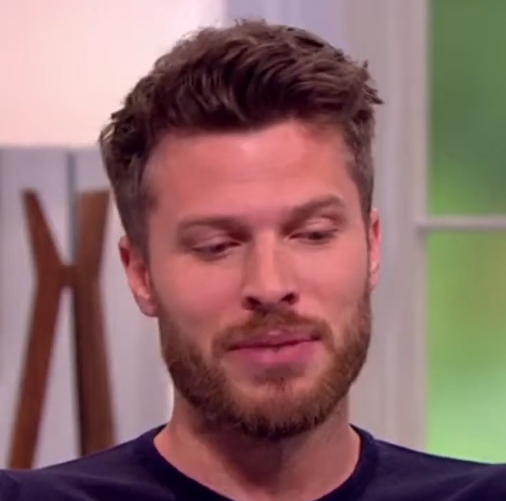
For years, Rick Edwards has made television seem simple. The Cambridge-educated presenter, who rose through T4 and E4, hosted quiz shows, covered the Paralympics now wakes up half of Britain on BBC Radio 5 Live, has always exuded a certain easygoing poise in front of a camera. Even the most practiced broadcast calm can be broken by certain moments. One of them was what happened on BBC Morning Live one morning.
Sitting across from Edwards and co-host Helen Skelton, the show’s legal expert Gary Rycroft discreetly started to reveal something he had been holding for months. Walking his dog up a hill had been giving him chest pains. Every two weeks or so, there is a sudden, intense pain that goes away.
He was in his 50s and felt older by doing what, in his own words, men his age usually do, which is to ignore the symptoms and label them as “getting old” and move on. He even initiated the Couch to 5K initiative. He had shed pounds. He truly felt better than he had in a long time.
The subtle tragedy in that detail is difficult to ignore. This man appeared to be in better health he was lighter, fitter more energetic but something in his chest was subtly on the verge of disaster. A different picture was revealed by the cardiac CT scan. He had nearly total blockage of his left anterior descending artery, which cardiologists grimly call “the widow maker” online.
After a procedure, a stent was inserted through his wrist in roughly forty minutes. His cardiologist informed him that he had probably been suffering from a severe and potentially lethal heart attack for hours or even days when he regained consciousness.
It creates an unusual friction to watch that kind of disclosure take place on live television and to do it in front of someone like Rick Edwards, who has dedicated his career to maintaining an atmosphere and keeping conversations moving. Edwards seemed to grasp the significance of what was being said in a way that went beyond his professional interest as he sat there taking it all in. The narrative of the illness was not abstract. It was a coworker. It was a person who had been in the building, producing television they seemed to be doing well.
Gary’s life expectancy was essentially unchanged after the procedure, according to Dr. Xand van Tulleken, another participant in the program, who also provided clinical reassurance on managing blood pressure, cholesterol, risk factors working with your GP. After all, that’s why it’s important to identify these issues early. That detail might have come as a relief. It could also have landed as a reminder of how close the margin had been.
Open discussions about the peculiar vulnerabilities of the body are nothing new to Rick Edwards. A minor, peculiar detail to an otherwise polished public biography that somehow makes him feel more human is that he has previously talked about losing almost all of his sense of smell following an incident at school involving pure ammonia. These things take place. In unexpected ways, bodies carry their histories.
The impact of Gary’s appearance on BBC Morning Live went beyond a single man’s experience. It sparked a discussion about the unique stubbornness of middle-aged men the propensity to put off, justify believe that discomfort is simply a part of growing older rather than a sign worth looking into. Gary told the audience directly, “Don’t wait as long as I did”. “I had a very close shave”. That is not a passage from a health pamphlet. That person has actually examined what nearly occurred.
Ironically, he only sought medical advice in order to get the go-ahead to continue operating. He was optimistic enough to want to push himself more, but not concerned enough to visit a doctor. That is the version of events that causes a slight tightness in the chest. Exercise would not have saved him from the predicament he nearly found himself in. The necessary space for that story was provided by Rick Edwards’ program. Sometimes the most crucial thing a presenter can do is just listen and let someone say what needs to be said.