

Close Menu
  • Home
  • All
  • Swimming
  • Privacy Policy
  • Category
    • Child Safety
    • Learning & Development
    • Swimming Schools
    • Swimming Skills
    • Water Pools
  • Contact Us
Facebook X (Twitter) Instagram
Trending
  • Rick Edwards Illness Conversation Reveals a Warning Every Man Over 50 Must Hear
  • Rebecca Front Illness: The Hidden Battle Behind Britain’s Brightest Comedy Star
  • Patrick Grant Illness: What the Sewing Bee Judge Has Actually Revealed About His Health
  • Nicholas Galitzine Workout: How He Built a He-Man Body in Less Than 3 Months
  • Miquita Oliver Weight Loss Journey Exposes TV’s Dirty Secret About Women’s Bodies
  • Miquita Oliver Illness: The Hidden Emotional Toll the Press Never Showed You
  • Kirsten Dunst Chronic Illness: The Hidden Battle Behind Hollywood’s Most Beloved Smile
  • Kerry Washington Plastic Surgery: The Subtle Changes Nobody Wants to Talk About
Hook Swim SchoolHook Swim School
Subscribe
Friday, July 24
  • Home
  • All
  • Swimming
  • Privacy Policy
  • Category
    • Child Safety
    • Learning & Development
    • Swimming Schools
    • Swimming Skills
    • Water Pools
  • Contact Us
Hook Swim SchoolHook Swim School
Home » Miquita Oliver Illness: The Hidden Emotional Toll the Press Never Showed You

Miquita Oliver Illness: The Hidden Emotional Toll the Press Never Showed You

July 23, 2026 Fitness 4 Mins Read
Share
Facebook Twitter LinkedIn Pinterest Email
Miquita Oliver Illness

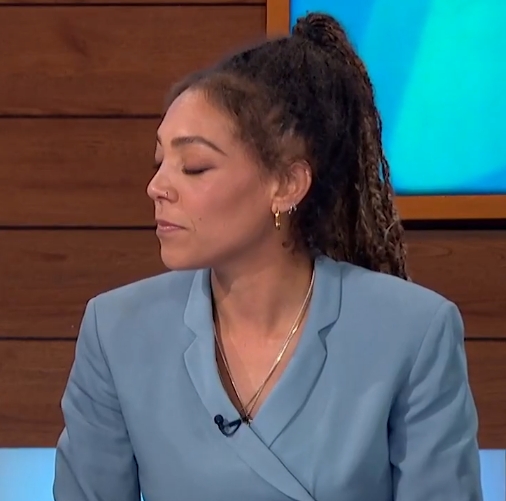
Watching someone unravel decades of suffering in real time, on a podcast in front of an audience they didn’t fully anticipate reaching has a subtly heartbreaking quality. That’s essentially what transpired when Miquita Oliver and Jordan Stephens sat down on “Miss Me”? and began discussing the costs of being a young Black woman on British television in the early 2000s.

In the UK, Oliver, now 42, has long occupied a specific type of cultural space. Popworld. T4. The type of presenter who seemed natural, unprepared truly humorous. The press comparisons, insults persistent low hum of being told, in a variety of inventive ways, that she wasn’t quite right for the job she was already doing were all things that viewers were blind to.

She has since disclosed that she was referred to as fat, dirty ugly by media outlets. These editorial criticisms are not ambiguous. These are words that land in a particular part of the body and remain there. It’s possible that those who haven’t experienced that kind of persistent public criticism are unaware of how damaging it can become over time, how it affects how you perceive other women how it warps your sense of identity. It seems to have done just that for Oliver.

Her 2005 NME interview, in which she referred to Fearne Cotton as a “she-devil” and was fired from BBC Radio 1, was the turning point in all of this. Oliver has talked about being ashamed of that comment for years. It’s not the performative kind; rather, it’s the kind that lurks in the background and doesn’t come to the surface until something pushes it. Eventually, Cotton herself sent a message following an episode of “Miss Me”? in which Oliver talked about the abuse she had received from the media.

Cotton’s answer was remarkably straightforward. She claimed that having terrible things written about her had almost completely destroyed her and that she was still dealing with the fallout. Reading those words gives me the impression that the entertainment industry frequently mistreats young women by hurting them in private while praising them in public, then acting shocked when the harm eventually becomes apparent.

Oliver’s response, which became more emotional as she read the message out loud, indicated something important. She realized possibly for the first time in a coherent way that the media had created a rivalry between her and Cotton by portraying each as a mirror that the other was supposed to feel inferior to. In the language used by the tabloids at the time, Cotton was well-groomed, slender the “right” kind of presenter. Oliver was in the opposite position. That framing is a slow-acting, infrequently named illness in and of itself.

Even now, it’s difficult to ignore how familiar this pattern sounds. Outlets that profit from the conflict frequently put women in entertainment, especially young women, in competition with one another. When the coverage ends, the emotional burden of internalized resentment, self-doubt years spent wondering if you were the problem doesn’t go away.

By all accounts, Oliver seems to be in a better place now. She now has a different kind of platform thanks to the podcast, where the discussion proceeds at her own speed and on her terms. According to her own account, she and Cotton are doing well. But as you watch this happen, you realize that what she experienced wasn’t a sign of weakness. It was the inevitable outcome of a media landscape that viewed the value of young women as content. It may be the most significant thing she has said in public in years naming it and tracing its origin.

Fitness

Keep Reading

Rick Edwards Illness Conversation Reveals a Warning Every Man Over 50 Must Hear

Rebecca Front Illness: The Hidden Battle Behind Britain’s Brightest Comedy Star

Patrick Grant Illness: What the Sewing Bee Judge Has Actually Revealed About His Health

Nicholas Galitzine Workout: How He Built a He-Man Body in Less Than 3 Months

Miquita Oliver Weight Loss Journey Exposes TV’s Dirty Secret About Women’s Bodies

Kirsten Dunst Chronic Illness: The Hidden Battle Behind Hollywood’s Most Beloved Smile

Categories
  • All
  • Celebrity
  • Child Safety
  • Children’s Activities
  • Fitness
  • Health
  • Learning & Development
  • Misc
  • Net Worth
  • Pools
  • Responsibility
  • Sports for Kids
  • Swimming
  • Swimming Schools
  • Swimming Skills
  • Water Pools
Recent Posts
  • Rick Edwards Illness Conversation Reveals a Warning Every Man Over 50 Must Hear
  • Rebecca Front Illness: The Hidden Battle Behind Britain’s Brightest Comedy Star
  • Patrick Grant Illness: What the Sewing Bee Judge Has Actually Revealed About His Health
  • Nicholas Galitzine Workout: How He Built a He-Man Body in Less Than 3 Months
  • Miquita Oliver Weight Loss Journey Exposes TV’s Dirty Secret About Women’s Bodies
  • Miquita Oliver Illness: The Hidden Emotional Toll the Press Never Showed You
  • Kirsten Dunst Chronic Illness: The Hidden Battle Behind Hollywood’s Most Beloved Smile
  • Kerry Washington Plastic Surgery: The Subtle Changes Nobody Wants to Talk About
  • Kate Silverton Illness: The Hidden Pain Behind the BBC Anchor’s Polished Smile
  • Stanzi Potenza Weight Loss: How Managing Epilepsy Transformed Her Health Journey
  • Terry Crews Wife Illness Revealed: Rebecca King Crews Breaks Silence on Decade-Long Parkinson’s Battle
  • Wayne Mardle Weight Loss: How Hawaii 501 Quietly Transformed His Body Away From the Oche
  • Jonathan Toews Illness Revealed: Chronic Inflammation, Indian Detox Rituals, and a Comeback Nobody Saw Coming
  • Jill Douglas Weight Loss: The Quiet Transformation Nobody Saw Coming
  • James Leib’s Fitness Routine Transformation: How a Busy Executive Got His Six-Pack Back at 48
Hook Swim School
  • Home
  • Swimming
  • Contact Us
  • Privacy Policy
© 2026 HookSwimSchool.

Type above and press Enter to search. Press Esc to cancel.