
How Swimming for Children Became a Powerful Tool Against Anxiety
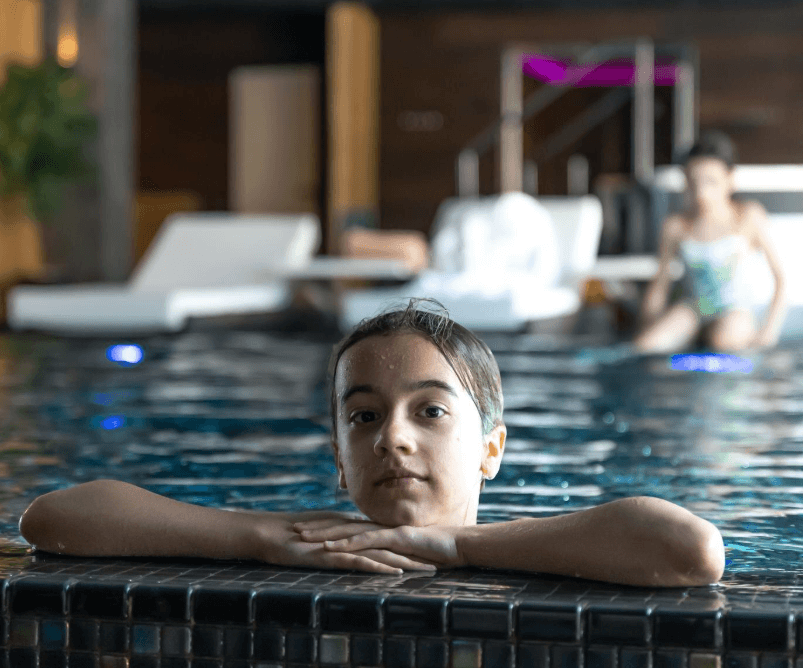
Children’s swimming has progressively evolved from a fun extracurricular activity to a remarkably effective pillar of healthy childhood, especially as families look for ways to balance reduced physical activity, emotional strain, and academic pressure. The change has not been loud or dramatic, but it has had a significant impact on how kids develop, deal with life, and present themselves.
Swimming has been cited by pediatric specialists and educators more and more in the last ten years as a uniquely balanced activity that is remarkably similar to a well-designed curriculum that simultaneously trains the body and the mind. Swimming encourages patience, rhythm, and repetition, which subtly teaches kids how progress truly occurs, in contrast to many sports that reward aggression or specialization.
| Item | Details |
|---|---|
| Topic Focus | Swimming for Children |
| Category | Child Health and Development |
| Age Range | Infants to Teenagers |
| Key Benefits | Physical fitness, confidence, emotional regulation, water safety |
| Health Impact | Lung strength, weight management, cardiovascular endurance |
| Social Impact | Teamwork, communication, resilience |
| Learning Outcomes | Focus, coordination, self-awareness |
| Safety Aspect | Drowning prevention, survival skills |
| Reference Organization | World Health Organization |
Although the physical advantages are obvious right away, their magnitude is frequently overlooked. Swimming works almost all of the major muscle groups, increasing flexibility and strength without putting undue strain on developing joints. The resistance of the water serves as a natural training partner, increasing muscle effort while reducing impact. This combination is especially advantageous for developing children, as it lowers the risk of injury while fostering balanced development.
Physicians have been emphasizing the benefits of swimming for respiratory health more and more in recent years. Children can progressively increase lung capacity and enhance oxygen efficiency by practicing controlled breathing. This enhancement extends beyond athletic performance. Regular swimmers sleep deeper, are less tired, and are better able to withstand physical strain, as parents often observe.
Swimming has been shown to be incredibly beneficial for kids with asthma or mild respiratory conditions. Structured breathing patterns gently strengthen respiratory muscles, and the warm, humid air surrounding pools is often less irritating to airways. This can give kids a sense of physical control they might not get elsewhere and eventually result in noticeably better stamina.
Another area where swimming for kids has subtly compelling effects is weight management. Swimming stands out as a highly adaptable activity that burns calories, develops lean muscle, and rarely feels like forced exercise, especially as childhood obesity continues to be a concern for families and health systems. In terms of energy expenditure, a half-hour session can rival running, but kids frequently see it as play.
This feeling of pleasure is essential. Swimming promotes consistency, whereas punishing activities rarely last. Not because they are instructed to, but because it feels good, kids go back to the pool. The foundation for lifelong habits that are incredibly accurate indicators of long-term health is laid by that consistency, which is maintained week after week.
Swimming has a powerful effect on the brain in addition to the body. Coordination, memory, and problem-solving skills must all develop concurrently when learning to swim. Youngsters need to control their breathing, coordinate their arms and legs, and maintain awareness of their position in the water. The neural pathways linked to focus and spatial awareness are strengthened by this intricate coordination.
Children follow directions, count strokes, retain sequences, and modify their technique in response to feedback during structured lessons. The transfer between these cognitive demands and classroom skills is frequently glaringly obvious. Children who regularly swim have been shown by parents and teachers to have better focus and more confidence when taking on new challenges.
In fact, swimming’s most transformative gift might be confidence. Many kids are afraid or hesitant to go near the water. Small victories like submerging a face in the water, floating on one’s own, and reaching the pool’s edge are part of the early stages of learning. Every accomplishment is real, well-deserved, and intensely personal; experience, not just accolades, is what gives confidence.
Psychologists frequently observe that self-assurance gained via physical proficiency tends to transfer to other facets of life. Before an exam or performance, a child who learns to control their breathing while floating is more likely to think they can control their nerves. Although this shift in self-belief is subtle, it frequently results in a markedly lower level of anxiety.
Water has a calming effect on the emotions that is difficult to duplicate elsewhere. Swimming’s rhythmic motions and buoyancy aid in nervous system regulation. After sessions, children tend to be calmer and more balanced as endorphin levels rise and cortisol levels tend to decrease. Families dealing with emotional overload may find this effect to be almost healing.
Additionally, swimming offers a particularly creative method of teaching emotional resilience. Rarely is progress linear. Youngsters experience periods of frustration, plateau, or have trouble learning new strokes. Patience and emotional fortitude are developed by learning to persevere through these stages with the help of peers and teachers. Once internalized, these lessons are applicable outside of the pool.
Swimming environments, particularly group lessons, foster social development. Youngsters learn to wait their turn, support their peers, and abide by rules. Despite their simplicity, these exchanges are the foundation of social intelligence. Children gain empathy and communication skills through cooperation and observation, which significantly improve over time.
Swimming lessons can be a child’s first social interaction outside of their family or school. Mutual support and progress can foster a sense of belonging that can be incredibly stabilizing. Being a part of a group gives kids more self-assurance and makes it easier for them to interact with others.
One important, non-negotiable advantage is still safety. Young children are still at significant risk of drowning, and swimming lessons teach vital survival skills. With practice, the skills of treading water, floating, controlled breathing, and reaching safety points become automatic. These skills can save lives, giving kids true autonomy and parents peace of mind.
Children’s swimming becomes not only recommended but also essential in societies where beaches, pools, and water sports are prevalent. Children are better prepared to navigate aquatic environments responsibly and confidently when they are taught respect for water instead of fear.
In the long run, swimming provides longevity, something that few other activities can match. It is a lifelong skill that is incredibly durable, adaptable to various needs, and accessible to people of all ages and abilities. Growing up swimming increases a child’s likelihood of staying active as an adult and choosing water-based exercise long after other sports become less popular.
The benefits of swimming for stress management and balance have been discussed more and more by public figures and professional athletes. Their experiences confirm what many families already know: clarity comes from water. It demands presence, slows racing thoughts, and rewards consistent effort. In an era characterized by distraction, these attributes strike a deep chord.
Most significantly, swimming helps kids learn how to deal with resistance without losing their cool. Even though water pushes back, technique and composure can still lead to progress. Children learn this lesson through physical experience and use it as a metaphor. They know how to breathe, adapt, and keep going when things get tough.
Swimming does not guarantee dramatic changes or immediate results. Rather, it provides consistent development while subtly boosting resilience, strength, and self-assurance. It develops kids who are not only healthier but also better able to handle complexity with poise and self-confidence, stroke by stroke.