

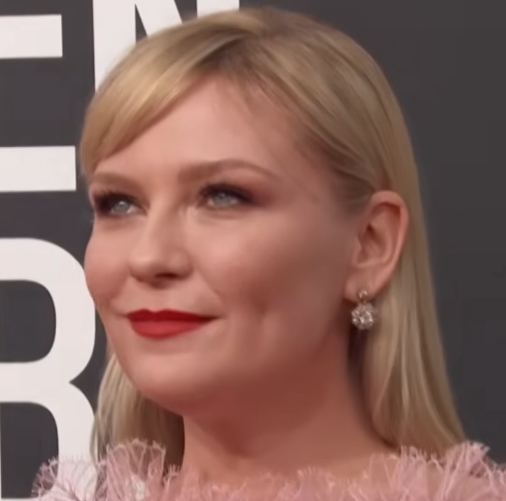
A certain type of fatigue is not captured on camera. It doesn’t show up on magazine covers or in the self-assured gait of a red carpet walker. For years, Kirsten Dunst carried that kind of weight the quiet, unseen kind while everyone else believed that being attractive, gifted successful in Hollywood meant you were generally okay.
In her late twenties, Dunst, the actress who had starred in more than thirty movies since taking on the eerie role of Claudia, the child vampire, in “Interview with the Vampire” when she was just twelve years old, checked herself into the Cirque Lodge Treatment Center in Utah. Not for substance abuse, as people often assume. for depression. It’s an important distinction because it illustrates how limited our understanding of what causes a person to fail is.
She told “The Sunday Times”, “I think most people around 27, the s— hits the fan”. “Whatever is working in your brain, you can’t live like that any more mentally”. Hearing someone explain it so simply is almost relieving. No carefully controlled PR language, no clinical distance. It was just a woman stating, “Yes, it caught up with me”.
The years leading up to the breakdown are what make Dunst’s story compelling, not the breakdown itself. She talked about absorbing things from relationships and the work itself until there was less of herself left, having grown up in an industry that was built on people-pleasing, constant giving never quite rocking the boat.
She said, “It can dissolve you”. The statement carries a weight that is difficult to shake. There was not a single dramatic moment in Kirsten Dunst’s experience with her chronic illness. She wasn’t even aware that she was carrying years’ worth of suppressed rage.
The medication component is also important. She acknowledged that she was scared to accept it. As a result, she spent more time in the depression than was healthy for her. She’s hardly alone in that, so it’s worth pondering for a bit. There is a certain shame associated with the reluctance to take psychiatric medications that is not really comparable to, say, antibiotics or blood pressure pills. She said simply, “I would recommend getting help when you need it”. It sounds clear. It isn’t.
Dunst’s health issues have changed in more recent times. She talked candidly about developing post-traumatic stress disorder (PTSD) following the filming of “Civil War” due to two weeks of residual trauma from combat scenes, the sound of gunfire, the weight of the film’s subject matter the daily news of school shootings.
“I remember coming home and eating lunch and I felt really empty”, she recalled. In conversations about creative work, that kind of lingering psychological reaction is still underappreciated, particularly for actors who physically inhabit another person’s reality for months.
Then there was the incident in Budapest earlier this year when, while she was filming abroad, her four-year-old son James had a serious health scare. She likened the event to “Final Destination”, which depicts a parent’s catastrophizing spiral in which they envision every dreadful scenario. While she remained on set, her family took a plane to Los Angeles without her, returning to their network of support. “An extremely frightening time” was how she described it. Her son’s recovery does not make up for the weeks of anxiety that preceded it.
It’s difficult to ignore how frequently Dunst revisits the same theme in each of her life’s chapters: the value of supporting others. The lesson she imparts is not one of victory through silence depression, PTSD, the fear of a sick child abroad every time. It’s more subdued and truthful. Seek assistance. Take the medicine. Let people in That may be her most lasting contribution, more than any award or critical recognition.