

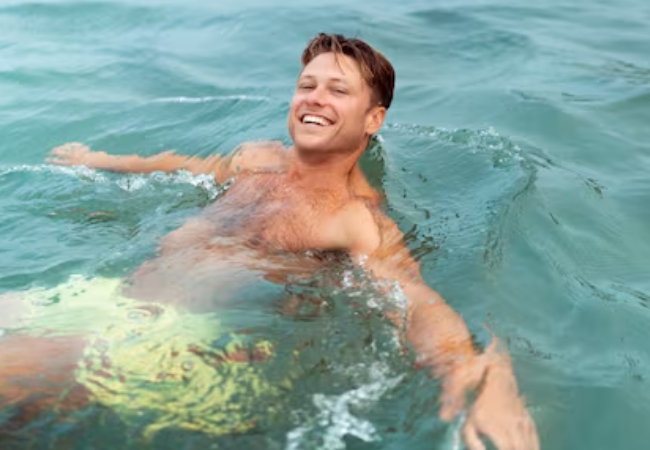
The body knows something the mind is still debating just before you enter cold water. The skin tightens. The breath shortens. For an increasing number of swimmers who brave rivers, lidos, and open coastlines all year long, that terrifying moment is exactly what they are looking for.
Beyond its quirky image, cold water swimming sometimes referred to as winter swimming, and other times simply insane by onlookers has been quietly gaining a serious reputation. The science behind it isn’t new, but it’s becoming harder to dismiss. Dr Mark Harper, an anaesthetist who began sea-swimming in Brighton in 2004 and went on to publish research in “Medical Hypotheses”, describes the shock of that first plunge not as a deterrent but as the mechanism itself. He contends that the work is being done by the cold.
When your body hits water below 15°C, the response is immediate and measurable. Adrenaline floods the bloodstream. To preserve body temperature, skin blood vessels virtually completely close. Anyone who has fallen into cold water will know that breathing becomes rapid and involuntary without a medical explanation. It feels alarming.
That’s because it is. What’s interesting, though, is that the body isn’t very good at differentiating between frightening things. Running from danger or recuperating from surgery activates the same stress pathway that is activated when you dive into a winter sea. Additionally, that pathway appears to become less reactive over time with repeated, controlled exposure.
The concept, known as hormesis, originated with a Swiss physician in the sixteenth century who basically maintained that a substance’s dosage determines whether it is beneficial or detrimental. Moderate and sporadic exposure to cold water seems to have a beneficial effect: it teaches the nervous system to manage stress with less catastrophic severity.
Faster wound healing, a discernible slowing of age-related neurological decline, and the suppression of some inflammatory conditions have all been reported in studies. Additionally, evidence from “Experimental Physiology” indicates that swimming exercise decreased depression-like behavior in diabetic mice by reducing inflammation, and researchers think cold water will probably amplify that effect in humans.
The immune system appears to react as well. Although it’s easy to write off regular cold water swimmers’ reports of fewer winter colds as confirmation bias, the underlying mechanism increased white blood cell production offers a reasonable explanation. Even though they appear somewhat undignified, the circulation benefits are equally apparent: the lobster-red flush that swimmers experience as they emerge from the water is caused by blood vessels constricting in response to the cold and then flooding back with oxygen as the body warms up.
As Harper points out, taking calculated risks fosters the kind of psychological fortitude and self-worth that often transcends other facets of life. There’s a feeling, watching a group of swimmers wade into a grey January sea, that they’ve decided something about themselves that has nothing to do with fitness. They’re not doing it despite the cold. They’re doing it because of it.
It carries some risk and isn’t for everyone. It is true that hypothermia occurs. Supervised, progressive cold water exposure is very different from jumping into a winter lake alone. But for those who approach it sensibly, the evidence is building that those numb fingers and slightly shaky hands aren’t signs the body is failing. They’re signs it’s paying attention.
i) https://rnli.org/safety/choose-your-activity/open-water-swimming/what-are-the-benefits-of-cold-water-swimming
ii) https://thewildswimmingbrothers.com/health/50reasonwhycoldwaterisgoodforyou
iii) https://pmc.ncbi.nlm.nih.gov/articles/PMC7730683/
iv) https://travelwithkat.com/benefits-risks-of-cold-water-swimming/